
In the Margins and Off the Map
A collection of reading essays about what happens when a book meets a reader.
I like books that get more complicated the longer I look at them. These essays are about what I notice along the way - and what follows me out of the book.
By Lisa Tuchek
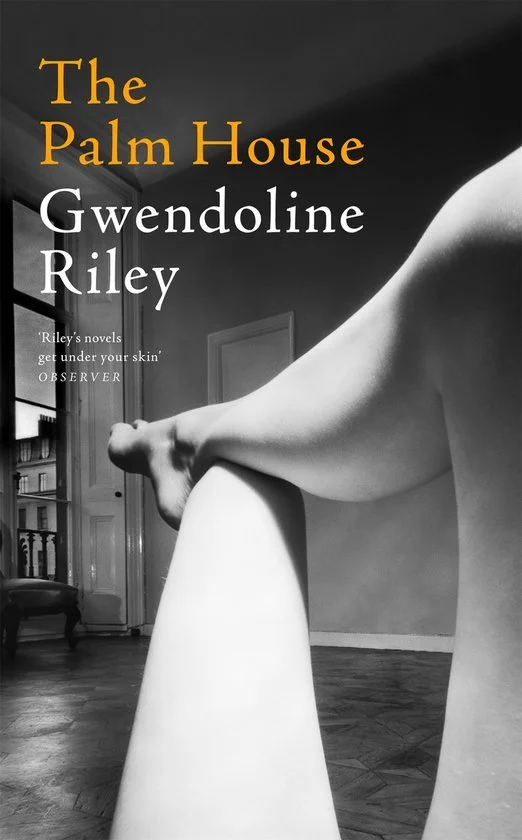
The Palm House by Gwendoline Riley
A reading essay by Lisa Tuchek, September 16, 2026
Not completely. But that may be the point.
One of the things this book kept circling for me is how much of another person we sometimes have to learn indirectly. Some people don’t - or can’t - just tell you who they are. You learn them through habits, omissions, small kindnesses, jokes, evasions, the things they remember and the things they cannot quite bring themselves to say.
There are relationships here where the closeness is real but the category isn’t, and when nobody names what the relationship means, somebody has to become the interpreter. That hit close to home for me. Not because Riley is writing my life. She isn’t. But books sometimes give you language for something you already knew without quite knowing you knew. The Palm House did that for me more than once.
It also made me think about attention itself as a form of love - noticing, remembering, staying curious, trying to see the whole person instead of the easiest version of them.
There is a lot of quiet ache in this book. People not quite saying what they mean. People making jokes instead of having the conversation. People knowing each other deeply in one way and hardly at all in another. And then every so often somebody does something tiny and kind that almost wrecks you.
That is why I don’t experience Riley’s writing as cold. I can see why someone might. She refuses to sentimentalize these people or tidy them up for us. But to me, that refusal is part of the compassion. She lets them remain vain, funny, difficult, lonely, repetitive, ridiculous - and still worthy of attention.
She does not dignify people by making them grand. She dignifies them by paying attention.
And I genuinely think this book made me a better reader. It made me slow down. It taught me to trust accumulation more - to stop asking every detail what it “means” right away and let it sit there until the book comes back for it. By the end, I wasn’t just reading for plot or revelation. I was reading for recurrence, gesture, omission, habit, tone - all the little things that gather weight over time.
I ended up loving The Palm House far more than I expected to when I started it. It asks for patience, and I can absolutely see why it won’t work for everyone. But if you like quiet, character-driven novels where meaning accumulates through ordinary details, awkward conversations, habits, omissions, and tiny acts of care, this one may sneak up on you the way it did on me.
This book earned its slow beginning. By the end, I was glad I had let it take its time.
It is rare these days that I go into a book completely cold. I am, allegedly, a professional bookseller, which means I usually know something - the publisher pitch, the author, the reviews, the buzz, or at least some reason the book has ended up on my radar.
With Gwendoline Riley’s The Palm House, I knew exactly one thing: it was on the 2026 Booker Prize longlist. That was pretty much it.
And for a while, I wasn’t even sure I liked it.
The Palm House follows Laura across different periods of her life and through the relationships that shape her, especially her long friendship with Putnam. The writing was sharp, but everything felt so quiet and held back that I couldn’t quite get a grip on it. I wasn’t bored exactly. I just wasn’t attached to anybody yet. I was curious enough to keep going, but I wasn’t in it. Not yet.
And then somewhere along the way, I was.
A few days after I finished the book, I listened to a reviewer I really admire absolutely tear it apart. What fascinated me was that nearly everything he disliked - the ordinariness, the repetition, the pub conversations, the tiny social details, the refusal to explain people clearly - was exactly what I had come to love. Listening to him hate it helped me understand why I loved it.
Because not much happens in The Palm House in the obvious sense. People talk. They remember. They disappoint each other. They take care of each other badly or well. They avoid things. They repeat themselves. They sit in pubs. They tear open bags of crisps.
But eventually I realized: that is where the book is happening.
Riley builds people from the edges inward. She gives us the details first: what someone eats, the joke they make too many times, the thing they won’t talk about, the room they live in, the way they touch someone, they way they don’t. She lets all of that sit there until it starts gathering weight. And by the end, somehow, you know these people.