
A novel by Marlon James
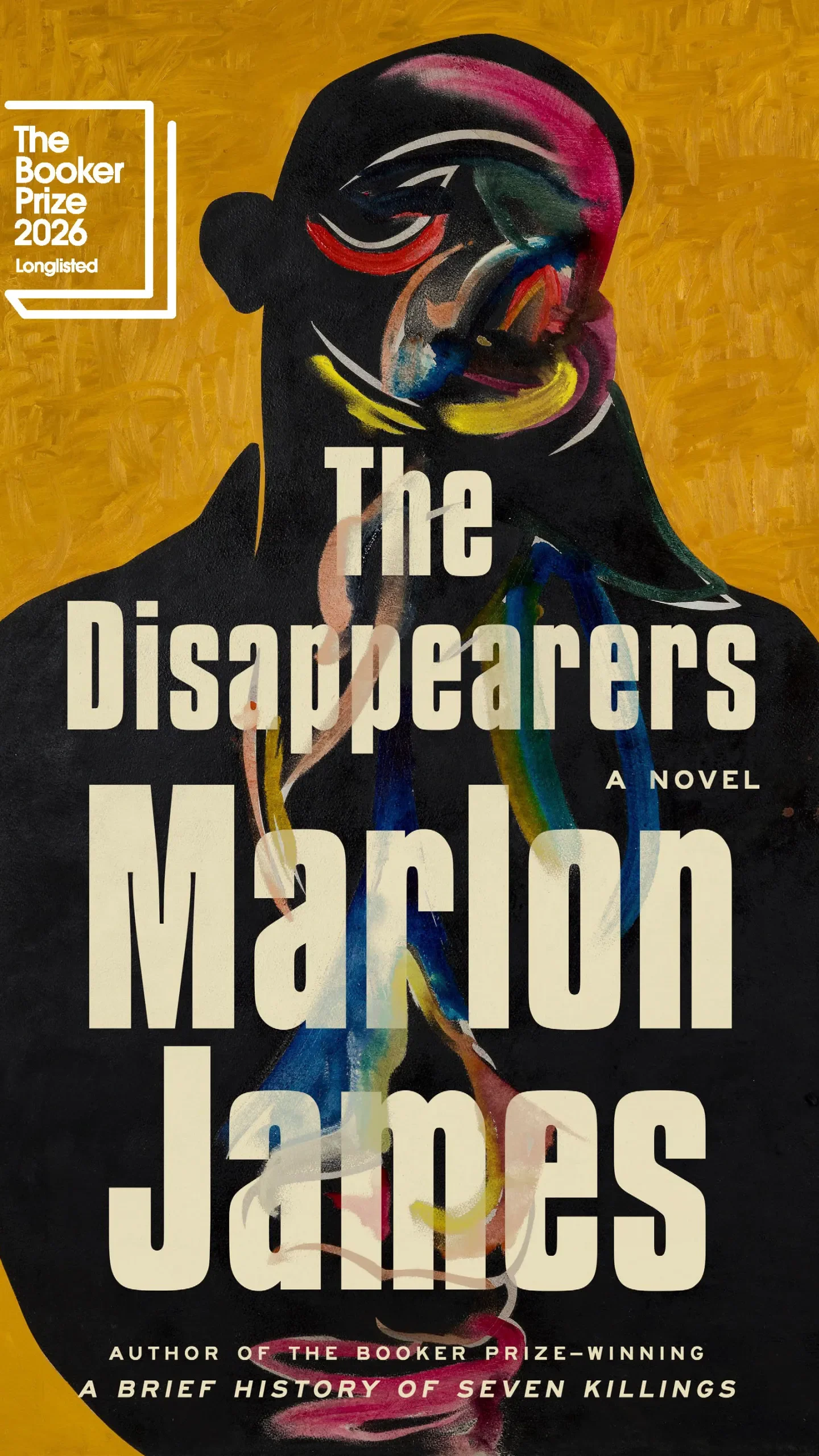
I finished The Disappearers feeling that I’d experienced something extraordinary. Marlon James had challenged me emotionally and intellectually, confronted me with uncomfortable truths about violence, shame, identity, and the human need to be seen and loved. But what stayed with me wasn’t the brutality of the story. It was how profoundly the novel complicated my understanding of human behavior. And the brilliance of the writing.
These characters are tender, cruel, vulnerable, contradictory, and often as mysterious to themselves as they are to one another. I found myself feeling tremendous compassion for people whose choices I sometimes struggled to understand. And the more closely I looked, the less certain I became that understanding their circumstances meant understanding their motivations.
And then there’s the writing. James is an astonishingly intelligent and inventive storyteller, but what impressed me most was the depth of his psychological imagination. He moves between voices and perspectives with extraordinary confidence, allowing us intimate access to these characters without ever pretending that intimacy amounts to understanding. His language can be brutal, funny, tender, and startingly beautiful, sometimes within the same passage. Even the structure of the novel becomes part of its meaning, revealing how much depends on who’s telling the story, what they’re willing to reveal, and what they may not understand about themselves. It’s the kind of writing that rewards its readers, continually asking us to reconsider what we thought we knew.
We like to believe that people behave for reasons we can identify. We construct explanations, assign motives, and make judgements. But how much do we really understand about what drives another person? How much do we understand about what drives ourselves?
Throughout the novel, James explores the complicated relationship between identity and survival. These men learn to protect themselves in a world that punishes them for who they are. They construct identities, conceal desires, and maintain distances that might keep them safe. But the same strategies that allow them to survive can also prevent them from experiencing the intimacy and connection they desperately want.
And that raises a question I haven’t been able to let go of: What does self-preservation become self-imprisonment?
How much of what we call identity is actually adaptation? How much of what we call choice is fear? We become so practiced at protecting ourselves that we may no longer recognize the difference between the person we’ve become and the person we might have been.
Perhaps the most unsettling possibility is that we can disappear from our own lives without ever leaving them. We can continue participating in the routines and relationships of our existence without ever really being a part of them. Survival can become such a consuming occupation that we lose sight of what it means to live.
I don’t think The Disappearers offers easy answers to any of these questions. And I like that it doesn’t. One of its achievements lies in its refusal to simplify people, to make their contradictions manageable, or to mistake explanation for understanding.
I finished this novel with more compassion, more questions, and considerably less certainty. And perhaps that’s one of the greatest things literature can do for us.